
Facts About Pest Behaviour In Autumn
Just like humans, pests are susceptible to the changing seasons. When it gets cold their activity can change dramatically. Some pests lay eggs and die off, others go into a type of hibernation, or become less active. Others may even migrate to different parts of the world. Either way, this changing behaviour could end up affecting you. So what do you need to know about pest behaviour in Autumn?
How pest behaviour in autumn changes
Every pest tends to have a different set of behaviours once it starts getting colder. Pests like wasps die off completely. What happens is that a new queen is born. She then abandons the old nests and finds a place to hibernate during winter. When spring arrives she wakes up and begins a new colony. This why you rarely see wasps during the frigid months.
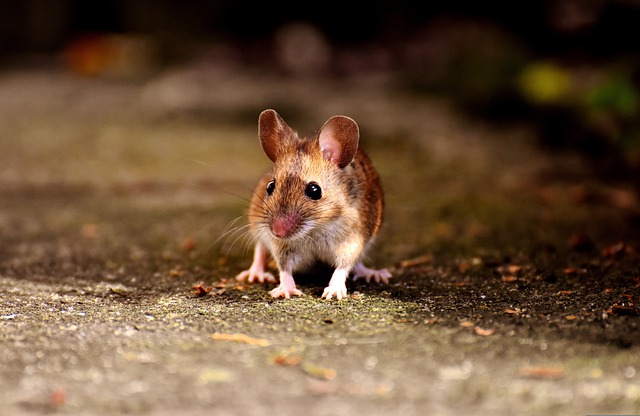
Pest behaviour in autumn can actually become more active. For example, rodents, like rats and mice, are highly active during this time. These pests need large amounts of food to survive. During autumn they collect and store as much food as possible. Rats and mice are also extremely good at digging. As it starts to get colder they dig tunnels in which they can shelter from the cold. Something to note is that during this period, rodents may enter your home. They do this to find food and also shelter from the cold.
Do pests become more or less active in winter?
Some pest behaviour in autumn becomes less active. A good example of this are cockroaches who change the way they live and breed. These vermin enter into a type of hibernation known as diapause. This doesn’t mean their activity ceases completely, just that they become less active.
That being said, this doesn’t always happen. If cockroaches can find a warm place, their activity will continue as usual. Like invading rodents such as rats and mice, they may also seek the comfort of your home.
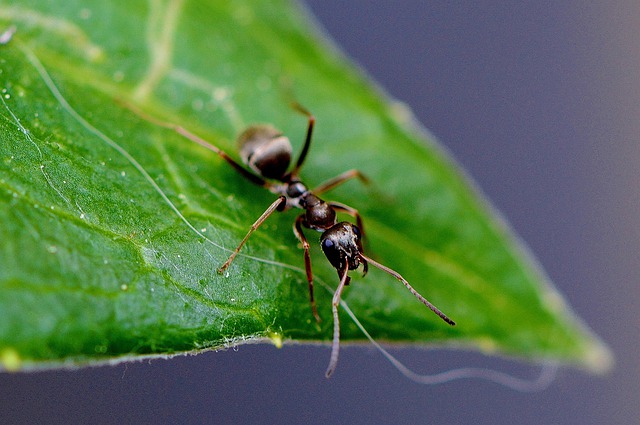
Other pests retreat in the safety of their homes. Ants will prepare for winter by gathering up food. They then dig deep into the soil where it is warm, and huddle together for warmth. This is often why ants seem to go away during winter and they aren’t a winter insect problem. It’s important to note that they haven’t really gone away. The ants are still around, they’re just dormant. Once Summer arrives they come out of the colony in a desperate search for food. This is why you suddenly see hundreds of ants one day in spring.
Some pest behaviour in autumn does not change at all. Pests like bed bugs live indoors. Winter does not affect them at all (unless your house is bitterly cold.) Not only that, these bugs can also easily survive without food for many months. This means that winter has very little effect on them.