
Why Do You Suddenly Have Moths In The House?
You may suddenly notice moths fluttering around your home, especially during summer evenings. These small insects often appear without warning. Are moths in the house connected to seasonal changes and what attracts them?
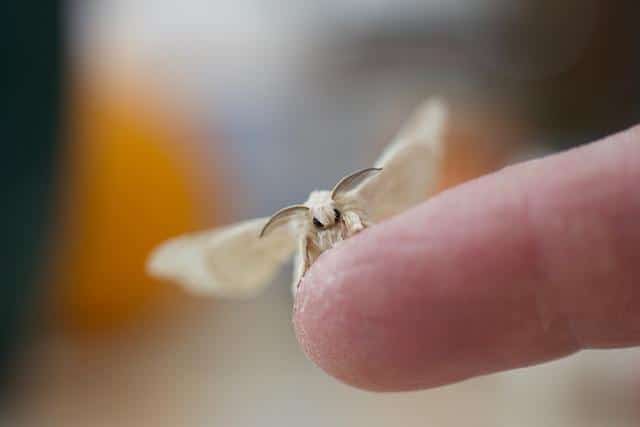
What brings moths into your home?
Moths thrive in warmer months, especially late spring through summer. When temperatures rise, windows stay open longer, giving moths easy entry. They are also drawn to lights, so outdoor bulbs or lamps near windows can attract them inside.
You might bring clothes or pantry moths into the house without realising. Second-hand furniture, clothing or even grocery items can carry eggs or larvae. In summer, they may also fly in through open doors or windows.
Where do moths hide and breed?
Once inside, moths multiply quickly. How do they do this? Moths in the house tend to favour quiet, dark areas. They often hide in wardrobes, cupboards or lofts. Clothes moths especially target natural fibres like wool, silk and cotton. They lay eggs directly on these materials. Because their larvae do the most damage, acting fast is essential. Even though adult moths do not eat fabrics, they lay eggs that soon hatch into hungry caterpillars

Meanwhile, pantry moths search for dry goods such as flour, oats or cereal. They enter through open packaging or cracks in cupboards. Although you may not see them straight away, signs like webbing or larvae confirm their presence.
Rugs and carpets are another target for egg-laying moths. A wool rug is a huge attraction for them. Because moth eggs are tiny, infestations often start before you notice a single adult. Therefore, even one visible moth may suggest a bigger problem.
What you can do about moth problems
Start by checking wardrobes, drawers and kitchen cupboards. Look for small white larvae, webbing or damage to clothes or food packaging. Clean affected areas thoroughly with a vacuum and dispose of any infested items. Some DIY methods can help.
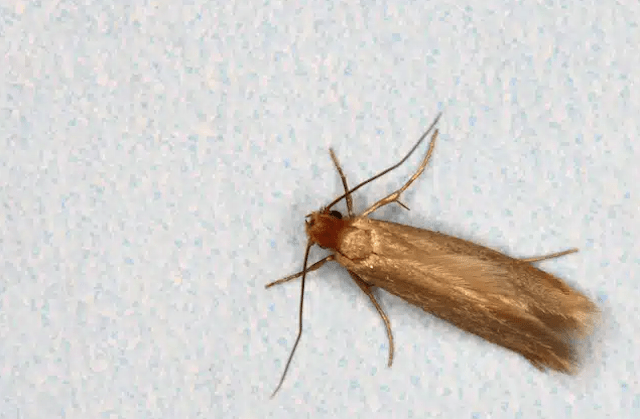
You can also use pheromone traps to catch adult moths and reduce breeding. These traps help identify where moths in the house are most active. They can work well to catch male moths, but rarely eliminate the issue. Therefore, if the problem continues, we recommend professional pest control.
We inspect your home and identify the moth species quickly. After that, we treat the affected areas with safe, effective solutions. Whether the source is food, textiles or something else, we remove the infestation fast.
Even though moths seem harmless, they can cause costly damage. Call us if you suspect moths in the house and need reliable support.