

A tenant moves out, the cleaners go in, and within a day someone spots fleas jumping across the carpet near the skirting. That is when flea treatment for landlords stops being a minor housekeeping issue and becomes a tenancy, cost and re-letting problem.
Fleas spread quickly, bite readily, and can sit dormant in a property long enough to catch out the next occupier. If you let houses or flats in Surrey, the right response is not guesswork or a shop-bought spray. It is a clear decision on responsibility, a proper treatment plan, and fast action before the infestation worsens.
Why flea problems escalate in rental property
Fleas are usually brought in by cats, dogs, or second-hand soft furnishings, but once they are inside, they do not stay neatly around the pet bed. Eggs drop into carpets, cracks in flooring, upholstery and along room edges. Vacuuming helps, but it does not resolve a full infestation.
This is why landlords often get caught out between tenancies. A property can seem fine during checkout, then flea activity appears after the rooms warm up, the carpet is disturbed, or new occupants start using the space. What looked like a small issue can rapidly become complaints, aborted viewings and pressure to delay move-in dates.
In blocks, HMOs and heavily used rentals, the risk is even higher. Shared access, frequent turnover and mixed cleaning standards make flea activity harder to trace and easier to spread. Speed matters because every day of delay gives the infestation more time to settle into the fabric of the property.
Flea treatment for landlords – who is responsible?
This is usually the first question, and the honest answer is that it depends on the source of the infestation, the tenancy agreement and the evidence available.
If a tenant kept pets and the flea problem is clearly linked to that occupation, the tenant may be responsible for treatment costs, particularly where the agreement sets out obligations around pets, cleanliness and pest issues. If the property was already infested at move-in, or there is no clear evidence linking the issue to the tenant, the position is less straightforward.
Landlords and managing agents should be careful about assumptions. Trying to recover treatment costs without evidence often creates disputes that are harder and more expensive than the treatment itself. Inventory reports, check-in and check-out records, pet clauses, contractor findings and complaint timelines all matter.
The practical priority is usually to resolve the infestation first and argue the cost allocation second. A live flea problem can affect habitability, trigger complaints from new tenants and damage your position if it appears you delayed action.
When the landlord should act immediately
If the property is vacant and due to be re-let, treatment should normally happen before marketing continues or new tenants collect keys. The same applies where children, vulnerable adults or multiple occupants are affected, or where there is any uncertainty about how long the problem has been present.
Even where liability may sit with the outgoing tenant, landlords often choose to instruct treatment straight away and pursue the cost later through the deposit process if the evidence supports it. From an asset protection point of view, that is often the cleaner route.
What effective flea treatment actually involves
Proper flea control is not just a quick spray and a crossed finger. A professional treatment starts with inspection, because the level of activity, room use, floor types and likely source all affect the plan.
Most infestations require treatment to carpets, rugs, soft furnishings, room edges and known resting areas for animals. In some properties, bedrooms and lounges carry the highest burden. In others, hallways and stairs become the route through which the infestation spreads.
The difficult part is the flea life cycle. Adult fleas are only one part of the problem. Eggs, larvae and pupae can remain in the environment, which is why repeat treatments are often needed. Landlords who try to solve a developed infestation with a single over-the-counter product often end up paying twice – once for the failed DIY attempt and again for the professional visit that should have happened at the start.
A good contractor will explain preparation clearly. That usually includes thorough vacuuming, laundering suitable fabrics on the right setting, emptying or treating the vacuum contents safely, and making sure any pets in occupation are treated separately by a vet or appropriate animal professional. Treating the property without dealing with the host animal is one of the main reasons infestations return.
The risks of delay for landlords and agents
Fleas are not just an irritation. For landlords, they create financial and operational risk.
The first risk is complaint escalation. Tenants who report bites or visible fleas expect urgent action, and reasonably so. Slow responses can lead to formal complaints, deposit disputes, pressure on managing agents and a breakdown in the landlord-tenant relationship.
The second risk is void extension. A property that cannot be shown confidently or handed over in clean condition costs money every day it sits empty. If a new tenant encounters fleas just after moving in, the first impression is poor and trust is damaged immediately.
The third risk is reputational. Letting agents and landlords rely on word of mouth, reviews and repeat business. Pest issues that are handled badly tend to travel further than those handled properly.
There is also a compliance angle. While every case turns on its facts, landlords are expected to provide accommodation that is fit to occupy and managed properly. If pests are present, especially at the start of a tenancy, delay is hard to defend.
Flea treatment for landlords in furnished and managed lets
Furnished property brings added complications because fleas can establish in sofas, chairs, mattresses and fabric headboards as well as carpets. In these cases, treatment needs to cover more than the floor.
Managed lets also raise communication issues. If an agent is involved, there needs to be a clear record of who reported the issue, when it was reported, what inspection found, what treatment was arranged and what aftercare advice was given. That paper trail matters if costs are later challenged.
For HMOs, supported accommodation and higher-turnover rentals, it is often sensible to build pest response into routine property management rather than treat it as an isolated problem. Fast inspection, clear contractor reporting and prompt follow-up reduce repeat disruption.
How landlords can reduce repeat infestations
Prevention is never absolute, but some steps reduce risk significantly. Properties that allow pets should have clear clauses around flea treatment at the end of the tenancy where appropriate. Check-out inspections should include carpets, pet areas and soft furnishings, not just visible cleaning standards.
Before re-letting, pay attention to any signs of scratching pets, pet odour, flea dirt on fabrics, or unexplained bites reported late in the tenancy. These clues are easy to miss when everyone is focused on keys, cleaners and the next move-in date.
It also helps to use experienced pest control professionals rather than general contractors. Flea work needs correct product choice, proper coverage and realistic advice on follow-up. A cheap, rushed job can leave enough of the life cycle in place to restart the problem within days.
For landlords and agents dealing with urgent re-lets, a local provider with 24/7 response can make the difference between losing another week and getting the property back on track quickly. Pest Exterminators Surrey handles this type of work with the urgency rental property demands.
What to do when a tenant reports fleas
Start by asking practical questions. When were bites first noticed? Are there pets in the property now or were there pets recently? Which rooms are affected? Has any DIY treatment already been used? This helps establish likely severity and the right next step.
Then move quickly to inspection and treatment. Avoid long email chains about blame while the infestation continues. Give the tenant clear preparation instructions, explain access arrangements, and make sure any animal treatment is dealt with alongside the property treatment.
After treatment, keep expectations realistic. Flea activity can continue for a short period as dormant stages emerge and come into contact with treated surfaces. That does not always mean the treatment has failed. It means the life cycle is being interrupted properly, and follow-up may be needed depending on the level of infestation.
Landlords do not need a lecture on how inconvenient fleas are. They need a fast, defensible fix that protects the property, the tenancy and the next letting opportunity. When fleas show up, the best approach is simple: get the facts, get the treatment right, and do not give the infestation time to become someone else’s complaint.
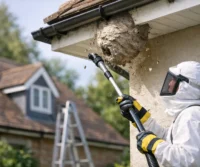
A wasp nest problem rarely gives you the luxury of waiting. One afternoon you notice a few wasps around the soffits or loft hatch, and by evening there is a steady stream moving in and out of the same point. When that happens, same day wasp nest removal is not just about convenience. It is about making the property safe before the nest grows larger, more aggressive, and harder to control.
For households, that can mean children avoiding the garden, pets becoming a target, and the risk of painful stings near doors, rooflines, sheds, wall cavities, or loft spaces. For businesses, the stakes are even higher. Wasps around entrances, bin stores, outdoor seating, delivery areas, food handling zones, or staff access points can quickly become a health and safety issue as well as a reputational one. Fast action matters.
When same day wasp nest removal is the right response
Not every insect sighting is an emergency, but an active wasp nest often is. Wasps can become highly defensive if the nest is disturbed, and the danger increases when the nest is close to routine movement. That includes front doors, patio areas, school grounds, pub gardens, warehouse shutters, eaves above walkways, and commercial refuse areas.
The timing of the year also matters. During spring and early summer, nests are smaller, and treatment can often resolve the issue before numbers build. By mid to late summer, colonies can become much larger and more noticeable. At that stage, a delay of even a day or two can mean heavier activity and a greater risk of repeated stings.
Same day attendance is particularly important where there is a known allergy risk, vulnerable occupants, tenants reporting aggressive insect activity, or business operations that cannot continue safely with wasps present. Landlords, estate agents and property managers also tend to need a fast response because a slow repair cycle can lead to complaints, cancelled viewings, or avoidable risk exposure.
Why you should not try to remove a nest yourself
A common mistake is assuming that a visible nest can be knocked down, sprayed from a shop-bought aerosol, or sealed off until the problem disappears. In practice, this often makes the situation worse. Disturbing the nest before treatment can trigger a defensive swarm. Blocking the entrance can force wasps to find another route, which may bring them into lofts, bedrooms, suspended ceilings, or internal wall spaces.
There is also the question of access. Many nests are located at height, inside cavities, under roof tiles, in loft insulation, behind cladding, or in garages and outbuildings where visibility is poor. Safe treatment depends on identifying the nest position, understanding the flight path, using the correct insecticidal product, and applying it in a controlled way.
For commercial premises, DIY treatment carries additional problems. If staff attempt to manage a nest without proper training, you may create unnecessary liability, compromise hygiene standards, or fail to meet your duty of care. A professional approach is quicker, safer and more dependable.
What to expect from a professional same day wasp nest removal service
The first priority is speed. When you report active wasp activity, the response should focus on confirming the location, the level of activity, access conditions, and any immediate hazards. That allows treatment to be planned properly rather than handled as guesswork.
On arrival, the technician should inspect the property to confirm whether there is a single nest or multiple nesting points. This matters because visible wasp traffic in one area does not always mean there is only one nest. In larger homes, blocks, hospitality sites and industrial units, activity can spread across roof voids, service areas, loading bays and external structures.
Treatment is then carried out using professional-grade products suited to the nest location and species behaviour. In many cases, the nest does not need to be physically removed immediately after treatment. The key is to eliminate the colony first. Once the wasps have been dealt with and the nest is inactive, any follow-up advice can focus on whether removal is necessary and how to reduce the chance of another nest in future.
A proper service should also be practical about what happens next. If the nest is in a loft, soffit, cavity wall or air brick, you may need advice on proofing once activity has stopped. If the problem has developed around bins, food waste, outdoor drinks service or open windows, a wider prevention plan may be sensible.
Same day wasp nest removal for homes
For homeowners, speed is often about restoring normal use of the property. A nest above a back door or in a garden hedge can make basic daily routines difficult. People stop opening windows, avoid the washing line, keep children indoors, and worry every time they hear buzzing near the roofline.
In domestic settings, nests are commonly found in lofts, eaves, wall cavities, sheds, garages and garden structures. Some are easy to spot because the nest itself is visible. Others are hidden, and the main clue is repeated wasp traffic to one entry point. The danger with hidden nests is that people often ignore them at first, assuming the problem will pass. It usually does not.
Fast treatment limits disruption and lowers the chance of the colony expanding further. It also helps where neighbours may be affected, particularly in terraced properties, semis, flats and managed blocks where external nesting points can impact more than one household.
Same day wasp nest removal for businesses and managed properties
Commercial and managed environments need a more structured response because the issue is rarely limited to a single sting risk. Wasps around customers, staff, patients, residents or contractors can quickly affect operations, compliance and public confidence.
Restaurants, cafés, pubs and hotels often face problems near outdoor seating, kitchens, storage zones and waste areas. Offices and retail units may have nests near entrances, signage, roof spaces or delivery points. Warehouses and industrial sites can see activity in loading areas, cladding voids and high-level structures. In each case, response time matters because the business may not have the option to simply close off the area for long.
Landlords and managing agents also need clear reporting, dependable attendance and treatment that solves the issue rather than delays it. That is why experience matters. A reactive service is only useful if it is backed by proper inspection, safe application and sensible aftercare.
How quickly can a nest be dealt with?
It depends on the nest location, access, and the level of activity. In straightforward cases, treatment can be completed on the same visit and the nest becomes inactive over a short period afterwards. In more complex cases, such as difficult access points or multiple nests on a larger site, the response may involve immediate treatment followed by monitoring or a return visit.
The important point is that same day service shortens the window in which the property remains exposed to risk. You are not waiting several days while activity intensifies. You are taking control of the problem early, with the right equipment and a clear plan.
Choosing the right provider in Surrey
If you need urgent treatment, look for a local company that can respond quickly, work safely in domestic and commercial settings, and provide a service backed by experience and recognised standards. Speed on its own is not enough. You also need confidence that the treatment will be handled properly, with attention to occupant safety, access issues and recurrence risks.
For Surrey property owners and managers, that usually means choosing a team that understands emergency call-outs, can deal with pest issues outside normal hours, and has experience across homes, rental properties, hospitality venues, retail sites and industrial units. Pest Exterminators Surrey is built around that kind of response – practical, rapid and focused on getting the issue under control without unnecessary delay.
If you have noticed regular wasp traffic around your property, do not wait for the nest to become everyone else’s problem as well. The sooner it is identified and treated, the easier it is to restore safety and get back to normal use of the space.

If you switch on a kitchen light late at night and see a brown insect disappear behind a unit, do not assume it is a one-off. One of the main problems with cockroaches is how easily they stay hidden until numbers build up. Knowing how to spot cockroach infestation early can save you from a much larger issue, especially in flats, rented properties, food premises, and buildings with warm service areas.
Cockroaches are not just unpleasant to look at. They contaminate food, spread bacteria across surfaces, and can trigger asthma and allergy symptoms in some people. In commercial settings, they can also create serious hygiene, compliance, and reputational problems. The sooner the warning signs are identified, the easier it is to contain the infestation and stop it spreading.
How to spot cockroach infestation in the early stages
The first sign is not always the insect itself. In many Surrey properties, especially where there is steady heat and moisture, cockroaches stay out of sight during the day and become active at night. That means you need to look for the evidence they leave behind.
Droppings are one of the clearest indicators. Small cockroach species often leave dark specks that can look like ground pepper or coffee granules. Larger species leave more cylindrical droppings. These are commonly found along skirting boards, inside cupboards, behind appliances, around pipework, and near cracks where they travel in and out.
Smear marks can also appear in damp areas. Where cockroaches are moving regularly along walls or floor edges, they may leave irregular brown marks. These are easy to miss in cluttered rooms or neglected service spaces, which is why infestations in commercial premises can continue unnoticed for longer than owners expect.
A persistent musty smell is another warning sign. A heavier infestation can create a stale, oily odour that tends to linger in enclosed areas. If a room smells unpleasant even after cleaning, and there is no clear plumbing or waste issue, cockroach activity should be considered.
Then there are egg cases, known as oothecae. These small capsule-like cases are usually brown and may be hidden behind furniture, inside kitchen units, beneath sinks, or near warm electrical equipment. Finding even one is a strong indication that breeding is taking place nearby.
Where cockroaches usually hide
If you are checking a property, focus first on places that offer warmth, moisture, darkness, and easy access to food. Kitchens are the obvious starting point, but they are not the only risk area.
Behind fridges, dishwashers, washing machines, ovens, and vending machines are common harbourage points because these spaces stay warm and are rarely disturbed. Under sinks and around leaking pipework are also high-risk zones. In commercial kitchens, cockroaches often settle around floor drains, grease traps, wall voids, and under fixed counters where crumbs and moisture collect.
Bathrooms, boiler cupboards, utility rooms, and plant rooms should not be ignored. In blocks of flats and larger commercial buildings, service ducts and shared pipe runs can let cockroaches move between units. That is one reason landlords and property managers need to act fast. Treating one flat in isolation may not solve the wider problem if the infestation is already established elsewhere in the building.
Storage areas are another frequent blind spot. Cardboard boxes, stacked packaging, and rarely moved stock create shelter. In restaurants, bars, takeaways, care settings, and warehouses, that can allow cockroach populations to grow quietly before staff see the first live insect.
Live sightings and what they really mean
Seeing a live cockroach during the day usually suggests a more advanced infestation. Cockroaches prefer darkness. When they start appearing in daylight, it can mean harbourage areas are overcrowded or normal hiding places have been disturbed.
Night-time sightings are still significant, even if you only see one. People often hope the problem is limited to a single insect brought in from outside or delivered in packaging. That does happen, but it is not the safest assumption. Cockroaches are efficient breeders, and by the time one is visible in an open area, others may already be hidden nearby.
German cockroaches are a common indoor pest and are especially troublesome in heated buildings. They are smaller, light brown, and reproduce quickly. Oriental cockroaches are darker and more associated with cooler, damper areas such as basements and drains. The type matters because harbourage and treatment approach can differ, but in both cases a visible sighting warrants a proper inspection.
Signs that are often mistaken for something else
One reason infestations get worse is that the early evidence is misread. Droppings may be dismissed as dirt. Egg cases may be mistaken for bits of debris. Skin casings from moulting cockroaches can look like dead insects or packaging fragments. Musty odours may be blamed on damp alone.
In rental properties, HMOs, and commercial units, cleaning teams or occupiers may remove the evidence without realising what it means. That can delay the response while the infestation continues behind walls, beneath flooring, or inside equipment.
There is also the issue of intermittent activity. You may not see signs every day. Cockroach movement often depends on temperature, food availability, recent cleaning, and whether the surrounding area has been disturbed. A lack of visible activity during a quick daytime check does not rule them out.
How to check a property properly
If you suspect cockroaches, inspect methodically rather than doing a quick scan. Start with a torch and check along edges, hinges, cupboard corners, pipe entries, and behind appliances. Pull out movable white goods where safe to do so. Look for droppings, smear marks, egg cases, insect casings, and live activity.
In commercial premises, inspections should include food prep areas, cellar spaces, stock rooms, wash-up areas, and any warm motorised equipment. For landlords and estate agents, vacant properties still need close attention. Empty units are not immune, especially if there has been a previous infestation, shared service access, or leftover moisture problems.
Monitoring traps can help confirm activity, but they are not a cure. They can show where cockroaches are travelling and whether numbers are increasing, but they should not replace professional treatment when signs are present.
Why fast action matters
Cockroaches do not usually disappear on their own. If food, water, and shelter remain available, the infestation tends to spread. In homes, that means increased contamination risk and a more complex treatment job later. In businesses, delays can affect hygiene audits, staff confidence, customer perception, and regulatory compliance.
DIY sprays often give a false sense of control. They may kill exposed insects but fail to reach the nest sites, egg cases, and hidden harbourages where the infestation is based. In some cases, poor treatment can scatter the population and make control harder. That is especially true in larger premises or multi-occupancy buildings where the problem extends beyond one room.
Professional treatment is usually the most reliable route because it starts with identification, then targets the exact species, harbourage points, and level of infestation. A proper plan may include gel baiting, insecticidal treatment, monitoring, sanitation advice, proofing recommendations, and follow-up visits. For businesses, it should also take account of operating hours, food safety, and record-keeping requirements.
When to call for professional help
If you have seen live cockroaches, found droppings, noticed egg cases, or picked up a strong musty odour in a high-risk area, it is time to act. The same applies if a tenant, staff member, or customer reports sightings, even if you have not confirmed them yourself. Waiting for repeated evidence usually gives the infestation more time to establish.
For commercial operators, urgency is even higher. Restaurants, hotels, healthcare settings, retail units, and food storage sites cannot afford to take chances with cockroach activity. A fast inspection can confirm the source, assess the spread, and put control measures in place before the issue develops into a larger operational problem.
Pest Exterminators Surrey handles urgent cockroach problems in both residential and commercial properties, with treatment plans designed around the building, the species involved, and the level of risk.
If you suspect cockroaches, trust what the signs are telling you and get the property checked before a hidden problem turns into a visible one.
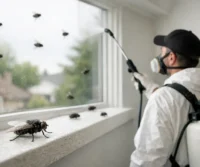
When cluster flies start gathering around loft windows, upper-floor rooms or light fittings, the problem rarely stays small for long. A professional cluster fly removal service gives you more than a quick spray – it identifies where the flies are settling, treats the infestation properly and helps stop the same issue returning season after season.
Cluster flies are different from the common housefly, and that distinction matters. They do not usually breed in bins or food waste indoors, which is why many property owners feel caught out by them. They often enter buildings in late summer and autumn to overwinter, then become active again when internal temperatures rise. The result is a frustrating cycle: dozens, sometimes hundreds, of slow-moving flies appearing around windows, loft spaces and wall voids just when you thought the property was clear.
Why cluster flies become a serious property problem
On paper, cluster flies can seem more of a nuisance than a risk. In reality, a heavy infestation can affect hygiene, comfort and day-to-day use of a building. For homeowners, they are unpleasant and persistent. For landlords and managing agents, they can trigger tenant complaints and repeat call-outs. For commercial premises, especially hospitality, healthcare and food-related sites, any visible fly activity can quickly become a reputational issue.
The main challenge is their behaviour. Cluster flies tend to gather in hidden areas such as lofts, roof voids, cavity walls and around window frames. You may only notice the infestation when warmer conditions draw them into occupied rooms. By then, the numbers can be significant. Vacuuming up visible flies may reduce the immediate annoyance, but it does nothing about the rest of the population tucked away inside the structure.
That is why timing and treatment method matter. If the infestation is established, a surface-level response is rarely enough.
What a cluster fly removal service should include
A proper cluster fly removal service starts with inspection, not guesswork. The first job is to confirm that cluster flies are the issue and not another flying insect with a different breeding pattern and treatment requirement. Misidentification wastes time and money.
Once identified, the treatment plan should focus on the areas where cluster flies are resting and entering. In many cases this means loft spaces, high-level voids, roofline gaps and sun-facing elevations where flies gather before entering the building. Depending on the property, treatment may involve targeted insecticidal application, residual products in harbourage areas, and advice on proofing vulnerable entry points.
For larger buildings or recurring infestations, prevention is as important as removal. This is where experience counts. A good contractor will not simply deal with the live insects you can see. They will look at why the building is attractive to cluster flies in the first place and what can reasonably be done to reduce repeat invasion.
Cluster fly removal service for homes
In domestic properties, cluster flies often appear in loft conversions, bedrooms on upper floors, stairwells and around skylights. Detached and older properties can be especially prone, although newer homes are not immune if there are suitable gaps around eaves, soffits or window frames.
The right treatment depends on access, severity and the construction of the building. In some homes, the main activity is confined to the loft. In others, flies are spreading through multiple rooms. Where the issue is limited, a focused treatment may be enough. Where activity is widespread or returns annually, a broader approach with proofing recommendations is usually the better investment.
This is also where DIY methods often fall short. Off-the-shelf aerosols kill the flies that are exposed, but they do not reach hidden harbourages well and they do not offer much lasting control. Homeowners can end up spending weeks repeating the same short-term fix while the infestation continues behind the scenes.
Cluster fly removal service for commercial premises
Commercial properties face a different kind of pressure. Even when cluster flies are not directly linked to food waste or poor hygiene, customers and staff will not make that distinction. If flies are gathering at windows, in reception areas, stockrooms or upper-floor offices, it reflects badly on the premises.
For landlords, estate agents and property managers, speed matters because delays can turn a minor complaint into a bigger management issue. For restaurants, hotels, clinics, offices and retail units, there is also the need to minimise disruption while maintaining a safe and compliant environment.
A commercial cluster fly removal service should therefore be practical as well as effective. That means fast attendance, clear reporting, treatment scheduled around trading hours where possible, and straightforward advice on ongoing prevention. In some buildings, a one-off treatment resolves the issue. In others, especially larger sites with repeated autumn activity, planned monitoring and seasonal treatment may be the more reliable option.
Why cluster flies keep coming back
One of the biggest frustrations with cluster flies is recurrence. You clear the visible infestation, then months later they appear again. That usually happens because the original access points and harbourage conditions have not been addressed.
Cluster flies are attracted to sheltered overwintering spaces. Roof voids, cavity walls and undisturbed upper sections of a building provide exactly that. Small gaps around fascia boards, vents, roof junctions and window frames can be enough to let them in. If those routes remain open, the same property may experience annual reinfestation.
There is a trade-off here. Full proofing work can reduce future risk substantially, but not every building allows every gap to be sealed without affecting ventilation or maintenance access. A realistic pest control plan balances treatment, prevention and the limitations of the property itself.
What to expect from professional treatment
A professional service should be clear from the outset. You should know what has been found, which areas need treatment, whether multiple visits are likely and what practical steps you need to take afterwards. That clarity is especially important for landlords and businesses who need documented, dependable action rather than vague advice.
In Surrey, local property types vary widely, from period homes and converted flats to warehouses, hospitality venues and managed residential blocks. That means there is no single treatment that suits every infestation. Access restrictions, occupancy, building height and the scale of activity all influence the best approach.
An experienced pest controller will also consider safety. Treatments in lofts, voids and occupied spaces need to be selected and applied properly, particularly where children, pets, staff or vulnerable occupants are involved. Eco-conscious options may be available in some cases, but the right choice depends on the site and the severity of the infestation.
When to call for a cluster fly removal service
If you are only seeing the odd fly, monitoring the situation may be reasonable. But if flies are gathering in numbers, appearing repeatedly in upper rooms or emerging from loft spaces and window areas, it is time to act. The longer a cluster fly infestation is left, the more established it can become inside the property.
For commercial premises, the threshold for action is lower. A visible fly problem can affect customer confidence immediately, even if the infestation is structurally contained. For rental properties, early intervention helps avoid prolonged tenant dissatisfaction and repeated complaints.
A responsive local provider can usually tell a lot from the pattern of activity you describe. Seasonal timing, where the flies are appearing, and whether the problem is new or recurring all help shape the treatment plan.
Choosing the right cluster fly removal service in Surrey
Not all pest control support is equal. For cluster flies, you need a contractor who understands the behaviour of the pest, can work safely in difficult access areas and can deal with both immediate removal and practical prevention. Fast response matters, but so does doing the job properly.
Look for clear communication, recognised industry standards, and a service that can handle domestic and commercial properties without a one-size-fits-all approach. If the issue is urgent, out-of-hours availability can make a real difference. If the infestation keeps returning, experience with proofing and long-term pest management becomes just as important as the initial treatment.
Pest Exterminators Surrey deals with urgent pest issues across residential and commercial properties, with treatment plans built around the site, the severity of the problem and the need to prevent recurrence. That matters with cluster flies, because a quick fix is rarely the same thing as a lasting solution.
If cluster flies are gathering in your home, rental property or business premises, the best next step is simple: get the building inspected before the infestation spreads further. A targeted treatment now is usually far easier than dealing with the same problem again when the next warm spell brings them back out.
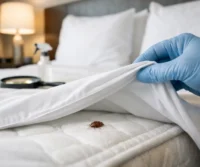
One guest complaint can turn into a full operational problem by the end of the day. In hotels, bed bugs do not just affect one room. They put reviews, occupancy, staff time and brand reputation at risk. Effective hotel bed bug management means acting quickly, inspecting properly, treating thoroughly and putting prevention measures in place before a small issue spreads across multiple rooms.
Why hotel bed bug management needs a faster response
Hotels face a different level of risk from private homes. Guests arrive from different locations every day, luggage moves constantly through reception areas and corridors, and housekeeping teams work to tight turnaround times. That combination makes hotels more exposed to bed bug introductions, and it also means an infestation can move unnoticed if nobody is looking for the right signs.
The real problem is not just the insect itself. It is the speed at which the issue becomes commercial. A single report can trigger room closures, refunds, negative online reviews and pressure from management to fix the problem immediately. If neighbouring rooms are not checked at the same time, the infestation may continue behind the scenes and return the moment a treated room goes back into service.
That is why hotel bed bug management has to be structured. It cannot rely on a can of spray, one rushed room check or a housekeeping note left at the desk. Hotels need a system that covers identification, containment, treatment and follow-up.
Early signs hotels should never ignore
Bed bugs are good at staying out of sight. They hide in mattress seams, bed frames, headboards, skirting boards, bedside furniture, soft furnishings and cracks close to where people sleep. In hotel settings, that means staff need to know what they are looking for and where to look.
The most common warning signs are dark spotting on bedding or mattress edges, cast skins, small blood marks on sheets and live insects in seams or joints. Guest reports of bites may be the first alert, but bites alone are not enough to confirm bed bugs. Skin reactions vary from person to person, and hotels should avoid making assumptions without an inspection.
A practical response starts with taking every concern seriously. If a guest reports possible bed bugs, the room should be removed from use until it has been checked properly. Nearby rooms should also be considered at risk, especially those next door, above and below. Bed bugs do not stay politely within one booking boundary.
What good hotel bed bug management looks like
A proper management plan is not just about killing visible insects. It is about finding the full extent of activity and making sure the treatment matches the building, room layout and pressure on occupancy.
First comes inspection. This has to be detailed, not superficial. Mattresses, divan bases, bed frames, upholstered seating, curtains, carpet edges and fixed furniture all need checking. In hotels, high guest turnover can mask the pattern of infestation, so adjoining rooms are often just as important as the one that triggered the complaint.
Next comes containment. Soft items may need to be bagged and handled carefully to avoid spreading insects through corridors or laundry areas. Housekeeping and maintenance teams should know which rooms are out of action and what movement restrictions apply. This part matters. Poor handling during the first few hours can make a manageable issue much harder to control.
Then comes treatment. Depending on the level of infestation, room use, furnishing type and urgency, this may involve professional insecticide treatment, heat treatment or a combined approach. Heat treatment is often preferred in hotel settings because it can reach into cracks and fabrics where bed bugs hide, and it can deal with multiple life stages in one process. That said, it is not always the only answer. In some buildings, room design, sensitive materials or operational constraints can affect the best method.
Follow-up is the part too many sites underestimate. Bed bugs are persistent, and one treatment without reinspection can leave hotels exposed to repeat reports. Monitoring and second visits, where required, are part of a serious management strategy, not an optional extra.
Why DIY responses usually cost hotels more
When occupancy is under pressure, there is a temptation to solve the issue quietly in-house. That usually creates bigger problems. Off-the-shelf products are rarely strong enough to resolve a hotel infestation, and incorrect application can scatter bed bugs into wall voids, neighbouring rooms and housekeeping equipment.
There is also a compliance issue. Hotels have a duty to protect guests and staff, and treatment decisions should be documented, safe and professionally handled. If an outbreak leads to repeated complaints, management will need more than a record showing someone sprayed one mattress and hoped for the best.
The hidden cost of DIY bed bug control is downtime. A room that is treated badly may come back into use too early, only for another guest to report activity days later. At that point, the hotel is not only paying for proper treatment anyway. It is dealing with reputational damage that could have been avoided.
Training staff to support hotel bed bug management
The best treatment plan in the world still needs staff awareness behind it. Reception, housekeeping, maintenance and management all play a part in early detection and control.
Housekeeping teams are usually the first line of defence because they see bedrooms at close range every day. They should be trained to spot signs during routine changeovers and know exactly how to escalate concerns. That does not mean asking them to diagnose every mark on a sheet. It means giving them a clear reporting process and the confidence to flag issues without delay.
Reception staff also matter. Guest complaints need to be handled calmly, professionally and without dismissing concerns. A poor response at the desk can turn a manageable incident into a public one. Staff should know how to report the issue internally, relocate the guest where needed and make sure the room is immediately taken out of circulation.
Maintenance teams can help identify structural risk points such as loose skirting, damaged headboards, cracked walls and gaps around fixtures. These are the harbourage areas that make infestations harder to eliminate and easier to re-establish.
Prevention is cheaper than repeat treatment
Hotels cannot prevent every introduction. Guests bring luggage from trains, taxis, airports and other accommodation. What hotels can control is how easy the site is for bed bugs to establish themselves.
Regular inspections of high-risk rooms are a sensible start, particularly where there has been previous activity. Mattress and base checks should be routine, not just triggered by complaints. Bed design also matters. Simpler frames with fewer hiding points are easier to inspect and treat than heavily upholstered or damaged units.
Good housekeeping standards support prevention, but cleanliness alone does not stop bed bugs. That point matters because bed bugs are often misunderstood as a sign of poor hygiene. They are not attracted by dirt. They are attracted by people. Even a well-run hotel can get bed bugs through guest movement alone. The difference is how quickly the hotel detects and resolves the issue.
Linen handling, vacuum protocols and room turnaround procedures should also be reviewed after any confirmed infestation. If staff are moving items through the building without containment, the risk of spread increases. Prevention is not glamorous, but it protects revenue.
Choosing a professional partner for hotel bed bug management
Hotels need more than a contractor who can visit when convenient. They need a pest control partner that can respond quickly, inspect adjoining risk areas, work discreetly and recommend treatment that suits both the infestation level and the realities of trading.
Experience in commercial pest control matters here. Hotels operate under pressure, and bed bug work often has to be planned around occupancy, guest privacy and the need to return rooms to service safely. There is a balance to strike between speed and thoroughness. Move too slowly and the problem spreads. Move too quickly without proper inspection and the problem comes back.
That is why many hotels across Surrey look for accredited, insured specialists with clear treatment processes and ongoing support. Pest Exterminators Surrey handles urgent bed bug issues with that commercial reality in mind, combining rapid response with practical treatment planning for hospitality sites that cannot afford drawn-out disruption.
When to act
If there is a live sighting, a credible guest complaint or repeated unexplained reports linked to the same area, do not wait for a second wave of evidence. Early action is usually the difference between treating a contained room cluster and dealing with a wider outbreak.
A hotel does not need panic. It needs a clear process, a professional inspection and a treatment plan that deals with the problem properly. The longer bed bugs are given to settle in, the more expensive they become.
The right time to tighten your procedures is before the next guest checks in, not after the next review goes live.
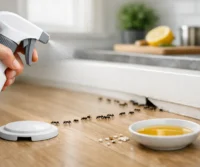
You spot a line of ants running across the kitchen worktop, wipe them away, and an hour later they are back. That is usually the point when people start searching for how to get rid of ants indoors properly, not just for the next few hours. The real issue is rarely the ants you can see. It is the nest, the scent trail, and the food or moisture source that keeps drawing them back.
Indoor ant activity can start small and become a persistent problem surprisingly quickly, especially in kitchens, utility rooms, wall voids, and commercial premises where crumbs, spillages, and warmth give them exactly what they need. For homeowners it is frustrating. For landlords, letting agents, restaurants, and food businesses, it can also become a hygiene and reputational problem that needs dealing with fast.
How to get rid of ants indoors without wasting time
The quickest way to improve the situation is to stop treating the visible ants as the whole infestation. Sprays and household cleaners may kill a few foragers, but if the colony remains active, more will keep appearing. Effective control means removing the attraction, disrupting the trail, and targeting the nest.
Start by cleaning food preparation areas thoroughly. Ants are drawn to sugar, grease, pet food, fruit, and even tiny residues around bins or under appliances. Wipe down surfaces, sweep floors properly, and pay close attention to the edges of cupboards, kickboards, and the spaces behind white goods. In commercial kitchens or staff rooms, this step matters even more because repeated food handling creates constant opportunities for reinfestation.
Next, deal with the trail itself. Ants leave behind a pheromone trail that tells the rest of the colony where to go. If you only brush them away, the route often stays active. Cleaning the area with warm soapy water helps remove that scent. In some cases, a vinegar and water solution can help with trail removal, but it is not a full treatment on its own.
Then inspect where they are coming from. Common entry points include gaps around pipes, cracks in skirting boards, door thresholds, window frames, and damaged brickwork. In houses and flats, ants may nest outside and travel in. In older buildings or commercial sites with service voids, they may already be established within the structure.
Why ants keep coming back indoors
Ants are organised and persistent. Once worker ants find a reliable source of food or water, they keep returning and recruit more ants to the same point. That is why a few ants near the sink one day can turn into a clear infestation days later.
Moisture is often overlooked. Leaking pipes under sinks, condensation around windows, damp wall cavities, and plant pots near entrances can all support ant activity. If the property has a recurring damp issue or minor plumbing leaks, simply applying a treatment without fixing the cause can produce only short-term results.
Season also plays a part. Ant problems often become more obvious in warmer months when colonies are more active, but heated buildings can support indoor activity well beyond summer. Businesses with steady warmth, food storage, and regular deliveries may see ant issues at any time of year.
What works best for indoor ant control
If you want a treatment that tackles more than the ants in sight, baiting is often one of the most effective options. Ant baits work by attracting worker ants, which then carry the active ingredient back to the nest. That gives you a chance of affecting the colony rather than just the insects moving across the floor.
There is a trade-off here. Baits do not always give the instant visual result people want. You may continue to see activity for a short time while the bait is being taken back. That can feel counterproductive, but in many cases it is part of the process. By contrast, heavy use of surface sprays can scatter ants, disrupt bait uptake, and leave the nest intact.
That said, treatment choice depends on the scale of the problem and the type of property. A minor issue in a domestic kitchen may respond to careful bait placement and proofing. A larger infestation in a restaurant, care setting, shop, or block-managed property may need a more structured treatment plan with inspection, species identification, monitoring, and follow-up visits.
Where to look for the source
Finding the source saves time and repeat call-outs. Indoors, ants commonly appear around sinks, dishwashers, pantry cupboards, bin storage areas, boiler cupboards, and patio doors. Outdoors, nests may be under paving, beside foundations, in wall cavities, or near external drains.
Flying ants cause confusion too. People often assume they have a separate pest problem, but flying ants are usually part of the ant colony lifecycle. If you suddenly see winged ants indoors, especially near windows, it can indicate a mature nest nearby or within the building fabric. That is worth taking seriously, because it suggests the colony is established rather than incidental.
How to prevent ants from returning
Once activity drops, prevention matters just as much as treatment. Ants are opportunists. If the route remains open and the attraction remains available, a fresh wave can follow.
Store dry foods in sealed containers rather than loosely folded packets. Empty internal bins regularly and keep external bins closed. Do not leave pet food down longer than necessary. Check for sticky residues around syrup bottles, recycling boxes, and under small appliances where crumbs tend to collect.
Proofing should be practical, not cosmetic. Seal gaps around pipe entry points, repair damaged seals around doors and windows, and address cracks in walls or flooring where ants may travel. If vegetation, stacked materials, or debris sit directly against the building, clear them back where possible. In managed properties and commercial premises, routine inspections are often the difference between one-off treatment and repeated disruption.
When DIY methods are not enough
There is a point where home remedies stop being efficient. If ants keep returning after cleaning and baiting, if you cannot locate the entry point, or if the infestation affects multiple rooms, it usually means the colony is well established. The same applies where ants are appearing in customer-facing areas, food prep environments, tenanted properties, or communal parts of a building.
For businesses, delay can be costly. Ants in restaurants, cafés, hotels, healthcare settings, or retail premises can create hygiene concerns and invite complaints. For landlords and property managers, unresolved infestations can lead to repeated tenant reports and difficulty proving the issue has been properly dealt with.
Professional treatment is also the safer route where children, pets, vulnerable occupants, or sensitive commercial environments are involved. Product choice, placement, and follow-up matter. So does understanding whether the problem is localised or linked to wider structural access points.
Professional ant treatment for homes and businesses
A proper ant control service should begin with inspection, not guesswork. That means identifying where the ants are active, what is attracting them, how they are entering, and whether the nest is likely to be inside or outside the property. From there, treatment can be matched to the site rather than applied as a generic fix.
In some cases, that will mean targeted baiting and proofing. In others, it may involve residual insecticidal treatments in key access areas, advice on sanitation, and scheduled follow-up to confirm the colony has collapsed. Commercial sites may also need documentation, monitoring, and a prevention plan that fits hygiene and compliance requirements.
That is where an experienced local provider makes a difference. Pest Exterminators Surrey handles ant problems in domestic and commercial settings across the county, with practical treatment plans designed to remove the infestation and reduce the chance of it coming back.
How to get rid of ants indoors for good
If you want lasting control, think in three parts: remove the food source, remove the trail, and remove the nest. Miss one of those, and the problem can keep cycling. That is why quick supermarket sprays often disappoint. They deal with the symptom in front of you, not the colony behind it.
The good news is that ant infestations are usually very manageable when treated early and properly. The longer they are left, the more established the route becomes and the more likely you are to see repeat activity in the same areas.
If ants have started appearing in your kitchen, office, stock room, or communal areas, act before it becomes a bigger problem. A fast response, the right treatment, and sensible proofing usually make all the difference. The sooner the source is dealt with, the sooner the property feels under control again.
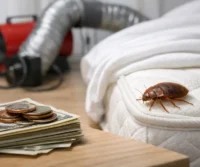
When you have bed bugs, the first question is usually not about biology or treatment methods. It is simpler than that – how much is this going to cost, and will it actually solve the problem? Bed bug heat treatment cost varies, but in most cases you are paying for speed, thoroughness and a better chance of clearing the infestation in one properly managed visit.
Heat treatment is often chosen when people want a fast, whole-room solution without the stop-start cycle that can come with repeated spray visits. For homeowners, landlords and business operators, that matters. The longer bed bugs remain active, the more the problem spreads through bedrooms, soft furnishings, adjoining rooms and, in some properties, neighbouring units.
What affects bed bug heat treatment cost?
There is no honest flat rate that suits every property. Bed bug heat treatment cost depends on the size of the affected area, how far the infestation has spread, how accessible the rooms are and how much preparation is required before treatment starts.
A single bedroom in a small flat will usually cost less than treating multiple bedrooms in a larger house, hotel, hostel or house in multiple occupation. If the infestation has moved from one bed frame into sofas, skirting gaps, wardrobes and adjoining rooms, the treatment becomes more involved. More equipment may be needed, more time on site is required and follow-up recommendations may be stricter.
Access also changes the price. A cluttered room slows everything down because technicians need safe airflow and clear heat circulation to bring the entire treated area up to the required temperature. If furniture has to be moved, items have to be bagged, or several occupied rooms need coordinated access, labour increases.
Property type matters too. In commercial settings such as hotels, care environments or staff accommodation, there may be compliance concerns, reporting requirements or pressure to minimise downtime. That does not always mean the job is dramatically more expensive, but it often means it must be planned more carefully.
Typical bed bug heat treatment cost in Surrey
In Surrey, a professional heat treatment for bed bugs will usually be priced after inspection or at least after a detailed discussion about the affected rooms. As a general guide, you may see costs start from a few hundred pounds for a small, localised treatment and rise into the higher hundreds or more for multi-room infestations or larger properties.
That range is broad because bed bug work is rarely identical from one job to the next. A compact one-bedroom flat with early-stage activity is very different from a family home where the infestation has been active for weeks, or a rental property where several furnished rooms are affected.
If you are comparing quotes, make sure you are comparing like for like. One company may price for a single room only, while another may be quoting for the whole affected floor. One may include inspection, monitoring advice and a guarantee period, while another may charge separately for each stage.
Why heat treatment often costs more than spray treatment
Heat treatment is usually more expensive upfront than a standard chemical approach. That is because it requires specialist equipment, close temperature monitoring and trained technicians who know how to raise heat safely and evenly without leaving cool pockets where bed bugs can survive.
Even so, cheaper does not always mean better value. Spray treatments can work well in the right conditions, but they often need repeat visits and rely heavily on precise application and customer preparation. Heat treatment aims to kill bed bugs across all life stages by exposing the entire treated area to lethal temperatures. If handled correctly, it can be faster and more decisive.
For landlords, letting agents and businesses, that speed can offset the higher initial cost. A room that is out of use for less time can mean fewer lost bookings, fewer complaints and less disruption to tenants or guests.
What should be included in the price?
A proper quote should cover more than just turning up with heaters. You should expect the price to reflect inspection of the affected areas, treatment planning, safe heat setup, active monitoring during treatment and practical aftercare advice.
Some providers also include a post-treatment inspection or a limited guarantee, depending on the condition of the property and whether preparation instructions were followed. This is worth clarifying before any work begins. If a quote looks unusually low, ask what has been left out.
You should also ask whether the treatment is for one room, several rooms or the full property. Bed bugs are good at spreading. Treating only the obvious room may seem cheaper at first, but if activity has already moved elsewhere, partial treatment can lead to further cost later.
When bed bug heat treatment cost goes up
Severe infestations and larger properties
The biggest price increases usually come when the infestation is well established. If bed bugs are present in multiple bedrooms, lounges, soft furnishings and storage areas, more time and more equipment are needed to achieve full coverage.
Larger houses, commercial premises and buildings with several affected units can require staged treatment. In those cases, the cost reflects the scale of the operation rather than just the fact that bed bugs are present.
Poor preparation or difficult access
Heat needs to move freely through the room. Heavy clutter, overpacked cupboards, blocked floor space and restricted access around beds and skirting can all make treatment harder. Some items may need removing or organising beforehand.
If technicians arrive and the property is not ready, treatment may be delayed or repriced. That is not just about convenience. Poor preparation can affect results.
Reinfestation risk
Sometimes the treatment itself is not the only issue. If people are moving between infested and non-infested rooms, if second-hand furniture keeps being brought in, or if an adjoining property has an unresolved problem, the overall risk is higher. That may change the recommendation or lead to extra monitoring advice.
Is heat treatment worth the money?
In many cases, yes. Bed bugs are difficult to remove because they hide well, breed quickly and spread through everyday activity. A proper heat treatment can reach into mattresses, bed frames, upholstered furniture, cracks and crevices where insects and eggs may be missed by surface-only methods.
It is often worth the cost when speed matters, when the infestation is causing serious stress, or when the property cannot tolerate a drawn-out treatment schedule. Hotels, landlords between tenancies, and families with repeated bites often choose heat because they want a stronger one-off intervention.
That said, heat is not automatically the right choice for every situation. In some low-level infestations, a targeted treatment plan using other methods may be suitable. The right answer depends on the room layout, infestation level, budget and how quickly the property needs to return to normal use.
How to judge a quote properly
Do not choose on price alone. Ask what inspection has been done, how the affected area is defined, whether the technicians are experienced in bed bug work, and what preparation is expected from you. If the company cannot explain the process clearly, that is a warning sign.
You should also look for proof of professional standards, insurance and a realistic discussion of outcomes. Bed bug control requires honesty. No reliable company should pretend every job is identical or promise impossible results without seeing the property conditions.
For urgent infestations in Surrey, working with an established local team matters. Fast response, proper assessment and a treatment plan suited to the building can save both time and repeat expense. That is why many property owners turn to specialists such as Pest Exterminators Surrey when they need a dependable answer rather than a guess.
Before you book treatment
Get clear on what rooms are affected, how long the problem has been active and whether anyone has already tried shop-bought products. DIY attempts can sometimes spread bed bugs further by disturbing harbourages without eliminating them.
It also helps to ask what you need to do before treatment day. Washing, bagging clothing, reducing clutter and making rooms accessible are common steps. Good preparation supports better results and reduces the risk of paying for avoidable delays.
If you are weighing up bed bug heat treatment cost, the real question is not just the invoice total. It is what it costs to leave the infestation active for another week, another tenant changeover, or another run of bad reviews.
You usually hear them before you see any sign of them – scratching at first light, thumping across the ceiling, and the sudden sound of insulation being torn apart. When you need squirrel pest control loft work, speed matters. A squirrel in the loft is not just noisy. It can damage wiring, contaminate insulation, tear through stored items and turn a small access point into a much bigger repair bill.
For homeowners, landlords and commercial property managers, loft squirrel activity is one of those problems that rarely improves on its own. Once squirrels find a warm, sheltered space with easy entry, they tend to keep using it. During breeding periods, the situation can escalate quickly. What begins as occasional movement overhead can become nesting, repeated property damage and a much harder job to resolve.
Why squirrels in a loft need urgent action
Grey squirrels are persistent, agile and destructive when they get indoors. They can squeeze through surprisingly small gaps, exploit weak rooflines and enlarge damaged fascia boards, vents and soffits to gain access. Once inside, they chew constantly. That includes timber, pipe lagging, loft insulation and, most dangerously, electrical cabling.
This is where the risk moves beyond nuisance. Chewed wiring creates a genuine fire hazard. Urine and droppings can affect loft insulation and air quality. In rental properties, unresolved squirrel activity can lead to tenant complaints, property damage disputes and further maintenance costs. In commercial settings, especially where buildings are older or have roof voids above occupied areas, delay can increase disruption and make compliance issues more difficult to manage.
The main point is simple. If squirrels are active in your loft, the right response is not to wait and see whether the noise stops.
Common signs that you need squirrel pest control loft services
Most people notice the sound first. Squirrels are active during the day, especially in the early morning and late afternoon, so movement at those times is a strong clue. Rats and mice are more often heard at night, which helps distinguish one problem from another, although a proper inspection is always the safest way to confirm it.
Other signs include disturbed insulation, shredded nesting material, droppings in the loft, gnaw marks on timber and entry holes around the roof edge. You may also notice a strong smell if the infestation has been present for some time. Outside, watch for squirrels regularly running along fencing, climbing drainpipes or disappearing into the same section of roofline.
If the property has recently had roofing work, storm damage or ageing soffits, that can increase the chance of access. Squirrels often take advantage of weak spots that were already there.
What effective squirrel pest control in the loft involves
A proper treatment starts with inspection, not guesswork. The aim is to identify where squirrels are entering, whether there is one animal or several, whether there are young present, and how much internal damage has been done. This part matters because removal without proofing is rarely enough. If access remains open, another squirrel will often replace the one you have just removed.
In most cases, the work needs to be approached in stages. First, confirm activity and locate entry points. Next, carry out the appropriate control method in line with current regulations and good practice. Then proof the property to prevent re-entry. Finally, assess any damage to insulation, stored contents and wiring so the problem is not left half-finished.
That staged approach is the difference between a quick fix and a lasting result. Property owners often contact us after trying noise deterrents, block-up attempts or DIY products that did nothing except make the squirrels more cautious.
Inspection and access checks
A detailed loft and exterior inspection looks at roof junctions, broken vents, gaps under tiles, fascia edges, soffits and any routes from trees or neighbouring structures. On larger residential buildings, managed blocks or commercial premises, this may extend across multiple roof sections and service voids.
Inspection also helps rule out overlapping pest issues. It is not unusual for a neglected loft space to attract more than one problem, especially where insulation has been disturbed or there are other structural gaps.
Safe removal and legal compliance
Squirrel control is not something to improvise. Methods must be suitable for the site, safe for occupants and compliant with legal requirements. That is particularly important in homes with children or pets, and in commercial premises where safety, documentation and minimal disruption are essential.
It also depends on the stage of infestation. If there are dependent young in the nest, timing and handling become more sensitive. Blocking entry too early can create further welfare issues and leave animals trapped inside the structure. That is one reason professional assessment matters.
Proofing to stop repeat infestations
Proofing is the part many people underestimate. If entry holes, weak roof details and climb routes are left in place, the loft remains vulnerable. Effective proofing may include repair and reinforcement around fascia boards, soffits, vents and roof edges, using appropriate materials that can withstand gnawing and weather exposure.
This is where experience really counts. Squirrels are strong enough to test poor-quality repairs and return to familiar routes. A proper proofing plan should deal with the actual access problem, not just cover visible damage.
Why DIY squirrel removal often fails
People understandably want a quick answer when the noise overhead starts. The problem is that shop-bought deterrents, ultrasonic devices and home remedies rarely solve a live loft infestation. At best, they may shift activity for a short period. At worst, they delay proper treatment while damage continues.
DIY blocking is another common mistake. If the hole is sealed while a squirrel is inside, the animal may panic, chew its way deeper into the property or die in the structure. If it is sealed while others are outside, they may simply create a new opening nearby. Either way, the result is usually more disruption and a bigger invoice later.
For landlords and commercial clients, there is also the issue of duty of care. A poorly handled pest problem can affect tenants, staff, customers and contractors working on site. Professional treatment protects both the building and the decision-making behind it.
Squirrel loft problems in Surrey properties
Across Surrey, loft infestations are common in detached homes, period properties, converted buildings and sites with mature trees close to the roofline. Squirrels do not need much encouragement. A nearby branch, a loose tile edge or a deteriorating vent can be enough.
Urban and suburban settings are both affected. In residential streets, squirrels often move between gardens and roofs with ease. On larger sites such as schools, offices, hospitality venues and managed housing, roof voids can provide sheltered nesting areas that go unnoticed until the damage becomes obvious.
That is why a fast local response matters. Pest Exterminators Surrey handles urgent pest problems with a practical approach – inspect, remove, proof and help prevent the issue returning.
What to expect from a professional service
A reliable squirrel service should move quickly, explain the findings clearly and deal with the full problem rather than one visible symptom. That means identifying activity, confirming access points, carrying out treatment safely, and recommending or completing proofing work.
For domestic customers, reassurance is important. You want to know the noise will stop and that the loft will not be left vulnerable. For landlords, estate agents and property managers, the priority is often speed, documentation and making the property fit for continued occupation. For commercial clients, response time and safe site procedures tend to come first.
It also helps to have a team that understands that every property is different. A family home with one access point needs a different plan from a listed building, a block with shared roof voids, or a restaurant with strict out-of-hours access requirements. Good pest control is always tailored to the site.
Aftercare, repairs and prevention
Once squirrels have been removed, the next step is making sure the loft is protected. Damaged insulation may need attention if it has been heavily soiled or shredded. Wiring should be checked if gnawing is suspected. Entry points need to be secured properly, not patched in a way that will fail after the next spell of bad weather.
Prevention also includes looking beyond the hole itself. Overhanging branches, neglected roof maintenance and repeated access routes should all be reviewed. Not every property needs major work, but every property does need the reason for the infestation addressed.
If you are hearing movement overhead, seeing damage around the roofline or dealing with repeated squirrel activity, act before the problem spreads. The sooner the loft is inspected, the easier it is to stop the damage, secure the property and get things back to normal with confidence.

You usually notice the problem at the wrong time – when a cupboard smells odd, food packaging looks chewed, or scratching starts behind the wall after dark. Mouse infestation signs in house settings are often subtle at first, but they do not stay that way for long. If you catch them early, you have a far better chance of avoiding contamination, damage and a much larger infestation.
Mice are active, adaptable and very good at staying out of sight. In homes, rental properties and commercial premises, they can settle in lofts, wall voids, kitchens, stock rooms and under floorboards with very little space to get in. That is why early recognition matters. A single sign may not always confirm a full infestation, but several signs together nearly always mean action is needed.
The clearest mouse infestation signs in house properties
The most common sign is droppings. Mouse droppings are small, dark and shaped a bit like grains of rice. You are most likely to find them along skirting boards, inside kitchen cupboards, under sinks, behind appliances, in loft insulation or near stored food. Fresh droppings tend to look darker and softer. Older ones become dry and crumbly. If you keep finding new droppings after cleaning, that points to ongoing activity rather than an old issue.
Gnaw marks are another strong indicator. Mice need to chew constantly to keep their teeth down, so they will damage food packets, cardboard boxes, wooden edges, plastic piping and even electrical cables. Fresh gnawing often looks lighter in colour at first. This is more than a nuisance. Damaged wiring can create a serious fire risk, and chewed packaging can leave food contaminated.
A stale, musky smell is often noticed before people actually see a mouse. In enclosed areas such as under-stairs cupboards, utility rooms, lofts or empty commercial units, that smell can build quickly. If the odour seems stronger in one spot, that may point to a nesting area or a regular route.
Scratching and scurrying noises matter too, especially at night. Mice are most active when the building is quiet. You may hear movement in the loft, behind plasterboard, beneath floorboards or around ceiling voids. Noise alone is not enough to identify the pest with certainty, because squirrels and rats can also be heard in buildings, but regular light scratching in the same area is often a mouse warning sign.
Signs of nesting and hidden activity
Mice do not need much to build a nest. They use shredded paper, insulation, fabric, dried plant matter and bits of packaging. Nests are usually tucked away in warm, undisturbed places such as behind kitchen units, inside boxing, loft corners, airing cupboards or storerooms. If you come across a pile of shredded material mixed with droppings, that is a strong sign the infestation is active.
Grease marks can appear on walls, pipes and skirting boards where mice follow the same routes repeatedly. Their fur leaves dark smears as they squeeze along edges. This is more common where activity has been going on for some time. It can help identify entry routes and travel paths, which is important if you want the problem dealt with properly rather than just reduced for a few days.
Tracks are another clue, particularly in dusty lofts, basements or storage areas. You may see tiny footprints, tail marks or disturbed dust along the edges of a room. In quieter properties, such as vacant rentals or shut commercial units, these signs can be easier to spot because the area is less disturbed by everyday foot traffic.
Pets sometimes notice mice before people do. A dog staring at the kickboards in the kitchen or a cat fixating on one wall at night can be reacting to movement or scent. That should not be taken as proof on its own, but when combined with droppings, smells or noises, it is worth taking seriously.
Where mice are most often found
In houses, kitchens are one of the most common problem areas because food, water and warmth are close together. Utility rooms, lofts, garages and under-stairs cupboards also provide easy shelter. In older Surrey properties, gaps around pipes, air bricks, damaged vents and worn brickwork can all create entry points.
For landlords and property managers, voids between tenancies can make the issue worse. An empty property may seem less attractive, but it often gives mice the quiet conditions they need to breed undisturbed. By the time a new tenant reports a smell or finds droppings, the infestation may already be established.
In commercial premises, mice are especially damaging because they create hygiene concerns, reputational risk and possible compliance issues. Restaurants, cafés, takeaways, food storage areas, bars, offices and retail units all need a fast response. Even a small amount of mouse activity can become a major problem if it affects food areas, customer-facing spaces or stock rooms.
Why fast action matters
People sometimes delay because they have only seen one mouse or found a few droppings. That is risky. Mice breed quickly, and what looks minor can escalate in a short space of time. They also tend to stay hidden until numbers increase, so the activity you see is often only part of the picture.
There is also a health issue. Mice contaminate surfaces and food with urine, droppings and hair. In homes, that is unpleasant and unsafe. In businesses, it can affect hygiene standards and create obvious legal and operational concerns. Add in the damage they can do to insulation, packaging, wiring and stored goods, and the cost of waiting can rise quickly.
What to do if you spot mouse infestation signs in house areas
Start by checking where the signs are concentrated. Look behind appliances, under sinks, inside cupboards, around boiler pipework, loft hatches and anywhere food is stored. Do not just remove the visible evidence and assume the issue has gone away. Cleaning droppings without finding the source rarely solves the problem.
Next, reduce what is attracting them. Store dry food in sealed containers, clear crumbs promptly, empty bins regularly and deal with leaking taps or pipework. Clutter should be reduced where possible, especially in lofts, garages and storage cupboards. These steps help, but they are not usually enough on their own once mice are established.
It is also worth checking for entry points. Mice can fit through very small gaps, particularly around pipes, vents, door thresholds and damaged brickwork. The challenge is that sealing holes too early can backfire if mice are still active inside. Proper treatment usually needs to come first, followed by proofing to stop re-entry.
DIY traps may catch one or two mice, but they often miss the wider problem. If there is a nest, multiple access points or activity in wall voids and loft spaces, a more structured approach is needed. That means inspection, targeted treatment, monitoring and proofing. It is the difference between a temporary reduction and a dependable fix.
When to call a professional pest controller
If you are finding repeated droppings, hearing noises at night, seeing gnaw marks, noticing strong odours or spotting mice in daylight, do not wait. Daytime sightings can suggest heavier activity because mice usually prefer to stay hidden when a property is busy.
Professional pest control is particularly important for landlords, agents and business owners because the stakes are higher. A delayed response can lead to complaints, failed inspections, damaged stock, unhappy tenants or disruption to trading. Fast attendance and a clear treatment plan matter.
A proper visit should identify the extent of the infestation, where mice are entering, where they are nesting and what needs to happen to prevent return. In many cases, treatment is only half the job. Proofing advice and practical prevention work are what stop the same issue coming back a few weeks later. That is why many Surrey property owners choose experienced local specialists such as Pest Exterminators Surrey when speed and permanent resolution matter.
If you have noticed even two or three of these warning signs, trust what the building is telling you. Mice rarely disappear on their own, and the earlier the problem is dealt with, the simpler it usually is to put right.
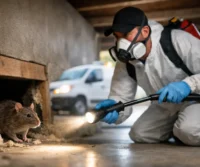
Scratching behind the kitchen wall at 2am, rat droppings under a sink before a tenant check-in, or a sighting in a restaurant stockroom just before opening – this is when emergency rat removal Surrey stops being a routine service and becomes an urgent job. Rats do not wait for convenient hours, and neither should your pest control response.
When rats are active inside a property, the risk builds quickly. For homeowners, that can mean damaged wiring, contaminated food storage and a growing infestation hidden in lofts, cavities or under floorboards. For landlords and managing agents, it can turn into complaints, void periods and repair costs. For businesses, especially food-led premises, healthcare settings and hospitality sites, it can become a hygiene issue, a compliance problem and a serious threat to reputation.
When emergency rat removal in Surrey is the right call
Not every pest issue is an emergency. A single wasp outside may not need same-day attendance. Rats are different. If a rat has been seen indoors in daylight, if there are fresh droppings, gnaw marks, strong odours, scratching in walls or ceilings, or signs of activity near food preparation areas, speed matters.
Daytime sightings often suggest a larger infestation or pressure on nesting sites. In commercial premises, even one confirmed sighting can require immediate action because waiting can affect staff confidence, customer safety and audit standards. In rented property, a delay can allow rats to spread between units, especially in older buildings or blocks with shared service routes.
The main point is simple – once rats are inside, they rarely solve themselves. They breed fast, move confidently through drains and structural gaps, and exploit every missed weakness in a building.
What makes rats such a serious problem?
Rats are destructive because they are persistent. They chew wood, plastic, pipe lagging and electrical cabling. That creates obvious repair costs, but it also raises the risk of fire, water damage and repeated call-outs if the root cause is missed.
They are also a contamination risk. Rats move through drains, bin areas, voids and insulation, then travel across food storage areas, surfaces and stock rooms. In homes, that is distressing and unhygienic. In commercial settings, it can affect inspections, internal reporting and customer trust.
There is also the speed of escalation. A property with light signs of activity one week can become a more established infestation soon after, particularly where there is easy harbourage, regular food sources and poor proofing around air bricks, pipe entries or drainage points.
Emergency rat removal Surrey for homes and businesses
The right emergency response depends on the type of property. A house with rats in the loft needs a different treatment plan from a pub cellar, a school kitchen or a warehouse loading bay. Good pest control is not just about placing bait and hoping for the best. It starts with inspection, evidence, access points and the likely source of activity.
In domestic properties, the priority is usually to confirm where the rats are entering, how far the problem has spread and whether there are young present. Loft spaces, cavity walls, extensions, drains, garages and gardens all need checking. If there are pets or children in the property, treatment methods must be selected carefully.
In commercial properties, the response has to be faster and more structured. There may be staff-only zones, public access areas, food storage, documented hygiene procedures or out-of-hours access restrictions. A proper emergency visit needs to account for safety, discretion and the practical reality of keeping the site operational where possible.
What a proper emergency response should include
A fast attendance time matters, but speed on its own is not enough. The real difference comes from what happens on site. A professional emergency rat call-out should begin with a detailed inspection of internal and external areas, followed by a treatment plan based on actual evidence rather than guesswork.
That may involve secure baiting, trapping, monitoring points and immediate advice on sanitation and access reduction. In some properties, drainage defects or structural gaps are the main driver. In others, poor waste storage, overgrown external areas or gaps around service entries are the issue. If those factors are ignored, rats often return.
This is why one-off treatment and long-term prevention need to work together. Emergency work deals with the immediate infestation. Proofing and follow-up reduce the chance of another call-out a few weeks later.
Why DIY rat control often fails
When people panic, they often buy traps or poison from a shop and place them where activity has been seen. That is understandable, but it rarely solves the full problem. Rats are cautious, especially around new objects. If bait is poorly placed, if access routes are missed, or if there is an active nest elsewhere in the building, the infestation can continue unnoticed.
There is also a safety issue. Domestic misuse of rodenticide can put children, pets and non-target wildlife at risk. In commercial settings, unplanned or undocumented treatment can create compliance problems of its own.
The other weakness with DIY is that it tends to focus on what is visible. The rat under the sink gets attention. The broken drain, the gap behind cladding or the route through a suspended ceiling does not. That is where experienced emergency pest control earns its value.
Choosing a provider for emergency rat removal in Surrey
If you need urgent help, choose a company that can do more than attend quickly. You need a team that understands rodent behaviour, can work safely in occupied properties, and can advise on prevention as well as removal.
Accreditation matters here. BPCA and NPTA registration shows a commitment to recognised standards, and that matters for both domestic reassurance and commercial due diligence. Experience matters too. A technician who has dealt with rat infestations across homes, flats, restaurants, hotels, offices and managed blocks in Surrey will usually identify patterns and entry points faster than someone taking a trial-and-error approach.
You should also expect a clear explanation of the treatment plan. That includes what has been found, what will be done, whether follow-up visits are needed and what the occupier or site manager must do next. Guarantees, where offered, add confidence, but only if backed by a proper process.
Local conditions in Surrey can make rat issues worse
Surrey properties vary widely. You have period homes, modern estates, flats, pubs, restaurants, schools, office blocks and industrial units, often sitting close to gardens, parks, waterways or busy bin collection points. That mix creates ideal movement routes for rodents.
Older buildings can have hidden defects, broken air bricks and easy access into voids. Commercial premises may have delivery doors, storage zones and external waste areas that need tighter control. In residential areas, bird feeding, composting and damaged fencing can also increase activity. It depends on the site, but the point is the same – rat infestations are usually linked to a wider access and harbourage problem.
A local provider can spot those patterns quickly. That helps when the job is urgent and the cost of delay is high.
After the emergency visit – stopping rats coming back
The best emergency rat removal Surrey service does not end with the first treatment. Once the immediate pressure is under control, the next step is making the property harder to exploit. That can include sealing access holes, improving waste storage, adjusting cleaning routines, clearing dense external growth and checking drainage where needed.
For landlords and commercial operators, follow-up is especially important. A short-term fix may get you through the week, but it will not protect the property portfolio or business operation over time. Scheduled inspections, monitoring and proofing are often the difference between repeated disruption and a stable, controlled site.
Pest Exterminators Surrey takes that practical approach – urgent response first, then targeted treatment and proofing based on the property and the level of risk.
When to act
If you have heard movement in walls or ceilings, found fresh droppings, noticed gnawed packaging, seen smear marks along skirting boards, or had a confirmed sighting indoors, treat it as urgent. If you manage a business where hygiene standards and customer confidence matter, treat it as immediate.
Rats are not just unpleasant. They are expensive when ignored and far easier to control early than after they have settled in. The right response is fast, professional and focused on the source of the problem, not just the signs you can see.
A prompt call now is usually the cheapest, safest and least disruptive decision you can make.